
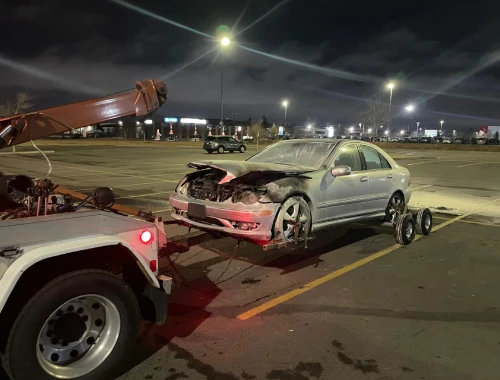
What To Do After Vehicle Collision Alberta
What To Do After Vehicle Collision Alberta
A collision can leave even a careful driver feeling unsure about the next step. The most important thing is to slow the moment down, check for safety, and make practical decisions in the right order.
If you are wondering what to do after vehicle collision Alberta, this guide will help you understand the first steps, what details to collect, and how to arrange safe help for a damaged or disabled vehicle.
Start With Safety First
Before thinking about cost, repairs, insurance, or transportation, check whether anyone is hurt. If there are injuries, danger from traffic, fire risk, leaking fluids, or a blocked roadway, call emergency services right away.
If it is safe, turn on your hazard lights. Move yourself and passengers away from active traffic. On highways or busy roads, avoid standing near the traffic side of the vehicle. Poor visibility, icy shoulders, and fast-moving traffic can make the scene more dangerous than it looks.
If the vehicle can be moved safely and legally, move it to a safer location nearby. If it is badly damaged, leaking, stuck, or unsafe to drive, leave it where it is and wait for proper guidance.
Stay Calm And Check The Scene
After a collision, it is common to feel rushed. Take a few moments to understand the situation clearly. Look at the vehicle position, traffic around you, weather, road surface, and whether the vehicle is blocking a lane.
Do not force a damaged vehicle to move if something feels wrong. Broken wheels, suspension damage, steering issues, fluid leaks, or airbags being deployed can make driving unsafe. Even if the vehicle starts, that does not always mean it should be driven.
A calm approach helps you avoid making the damage worse or putting yourself in a risky spot.
Collect Important Information
Once everyone is safe, gather the basic information you may need later. This can help with reporting, insurance, repair planning, and arranging safe vehicle removal.
Useful details include:
- The exact location
- Date and time
- Names and contact details of involved drivers
- Licence plate numbers
- Insurance information
- Driver’s licence information
- Vehicle make, model, and colour
- Photos of vehicle damage
- Photos of the road, intersection, weather, signs, and scene
- Names and contact details of witnesses, if available
Take clear photos from safe angles only. Do not stand in traffic or put yourself at risk to get pictures.
Know When Reporting May Be Needed
In Alberta, some collisions must be reported based on factors such as injury, damage level, hit-and-run situations, or other serious circumstances. Since reporting rules and processes can depend on the situation and location, contact local police or the proper collision reporting centre if you are unsure.
It is better to ask than to guess. A proper report may be needed for insurance, repairs, or future questions about the collision.
If the vehicle cannot be driven, ask what the next step should be before moving it. In some cases, the vehicle may need to be taken to a reporting centre, your home, a mechanic, a body shop, or another approved location.
Do Not Guess If The Vehicle Is Safe To Drive
Many drivers look at the outside damage and assume the vehicle is fine. That can be a mistake. Some damage is not obvious right away.
A vehicle may look drivable but still have problems with alignment, tires, suspension, brakes, steering, cooling systems, lights, sensors, or underbody parts. If the vehicle pulls to one side, makes unusual sounds, leaks fluid, has warning lights, or feels unstable, it should not be driven.
When in doubt, choose safety. Getting the vehicle moved properly is usually better than risking a second problem on the road.
Call With Clear Details
When calling for help after a collision, clear information makes the process smoother. Be ready to explain what happened, where the vehicle is, whether anyone is safe, whether the vehicle can roll, and what kind of damage you can see.
A dropped pin is very helpful, especially on highways, rural roads, parking lots, industrial areas, or places without clear addresses. Mention nearby landmarks, direction of travel, exits, intersections, or business names if they apply.
Also explain where you want the vehicle taken. It may be going to your home, a repair shop, a mechanic, an insurance-related location, or another safe destination.
Understand That The Right Equipment Matters
A collision-damaged vehicle may need careful handling. Not every vehicle can be moved the same way.
A vehicle with broken front-end parts, wheel damage, suspension damage, or a problem shifting into neutral may need a different setup than a simple vehicle move. In some situations, equipment such as dollies may help move the vehicle without dragging it.
This is why a good company asks questions before giving final instructions. The goal is to understand the vehicle condition, choose the right method, and reduce further damage as much as possible.
Keep Insurance Details Organized
If you plan to use insurance, keep all paperwork and receipts. Depending on the situation, insurance may cover some or all of the vehicle movement cost. In some cases, direct billing may be possible. In other cases, the driver may pay first and submit a receipt for reimbursement.
Before assuming how payment will work, ask clearly. Every claim and policy can be different. A professional company should be able to explain what information they can provide and how the receipt will be handled.
Avoid Pressure Decisions At The Scene
After a collision, you may feel pressure from traffic, other drivers, weather, or confusion. Try not to make rushed decisions without understanding where the vehicle is going and what the cost may be.
Ask clear questions:
- How soon can help arrive?
- What information is needed for the quote?
- Where can the vehicle be taken?
- What payment methods are accepted?
- Can a receipt be provided for insurance?
- Is the vehicle safe to move in its current condition?
Good communication helps you feel more in control during a stressful moment.
What A Reliable Company Should Provide
A reliable company should focus on honesty, safety, and careful handling. That means giving a realistic arrival estimate, asking the right questions, explaining pricing factors, and using proper equipment for the condition of the vehicle.
Look for professional communication. A helpful company should not make unrealistic promises or leave you confused about the next step. The right support can make the whole process easier, especially when you are dealing with damage, insurance, and an unexpected delay.
Get Clear Help When You Need It
A collision is stressful, but the next steps can be handled calmly. Start with safety, collect the right details, confirm reporting requirements when needed, and arrange proper help if the vehicle is damaged or unsafe to drive.
Tow Pros Towing & Recovery LTD helps drivers with careful handling, honest communication, and practical guidance after vehicle collisions. The team serves Calgary, Strathmore, Langdon, Chestermere, Okotoks, and nearby areas, with service available 5am–9pm daily, after-hours by availability.
For help after a collision, call Tow Pros Towing & Recovery LTD at +1 (403) 361-5432 for clear guidance, honest pricing, and a fast response with an honest ETA.